
Common Materials Used in Masonry Installation Projects
People searching for masonry installation often want to know about common materials used in projects, and local contractors can help select and expertly install these materials for durable results.
Understanding the common materials used in masonry installation projects can be a valuable step for property owners considering upgrades or repairs. Whether building a new wall, restoring an existing structure, or enhancing curb appeal, knowing the types of materials involved helps ensure the right choices are made for durability and aesthetic appeal. Local contractors who specialize in masonry work are well-versed in these materials and can provide guidance tailored to specific project needs, making it easier to plan and execute successful installations.
Property owners in the area often explore this topic to better grasp the options available for their masonry projects and to ensure they select materials that suit their property’s style and longevity requirements. From traditional brick and natural stone to concrete blocks and veneer, each material offers distinct benefits and challenges. Connecting with experienced service providers can help clarify which materials are best suited for particular applications, ensuring that the finished project not only looks great but also stands the test of time.
- Brick Masonry - homeowners planning to build or repair brick walls and facades can rely on local contractors to expertly handle the selection and installation of bricks.
- Concrete Block Masonry - when constructing foundations, retaining walls, or security structures, local pros are experienced in working with concrete blocks for durability and strength.
- Natural Stone Masonry - for projects involving aesthetic stone features or outdoor patios, service providers can assist with the proper placement and securing of natural stones.
- Tile and Masonry Veneer - residential or commercial renovations that include decorative tiles or veneer facades benefit from local experts familiar with material handling and installation techniques.
- Refractory Masonry - specialized projects like fireplaces or industrial ovens require local contractors skilled in installing refractory materials for heat resistance and longevity.
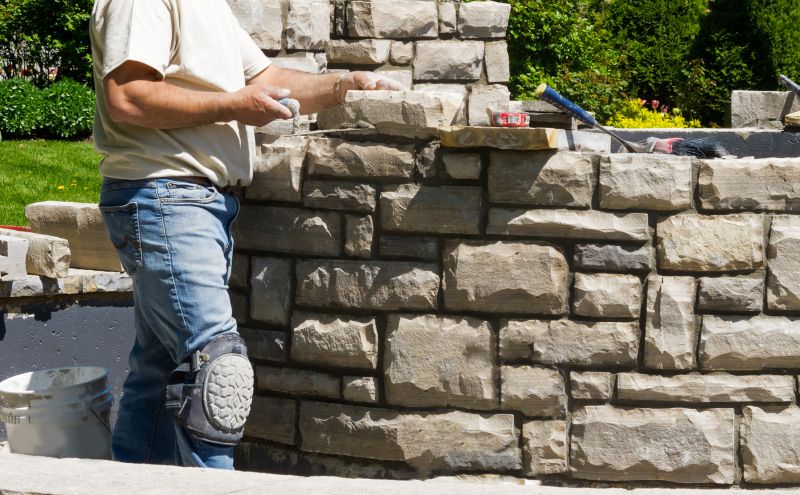
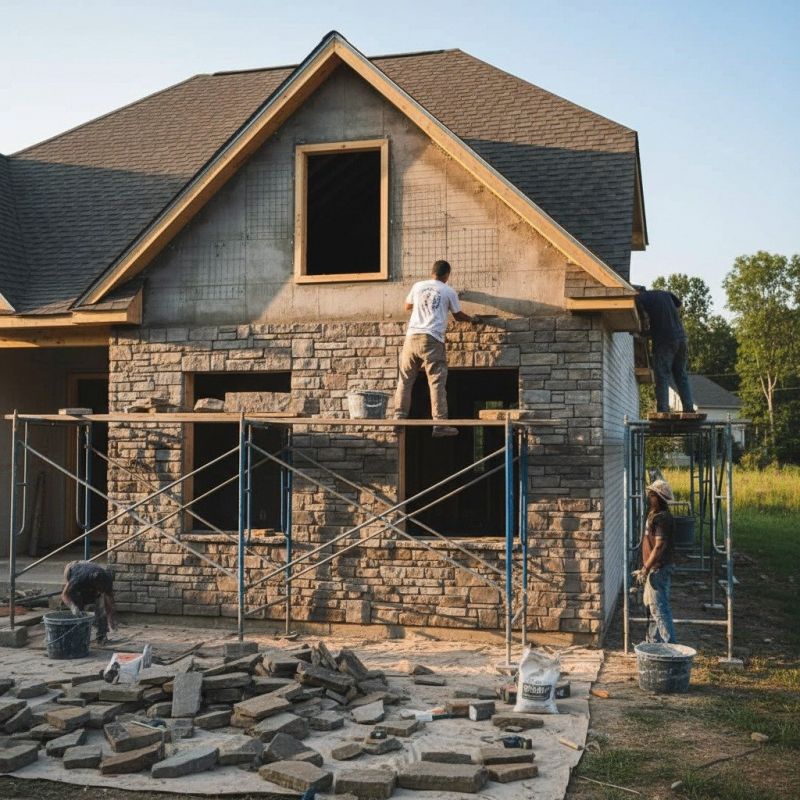
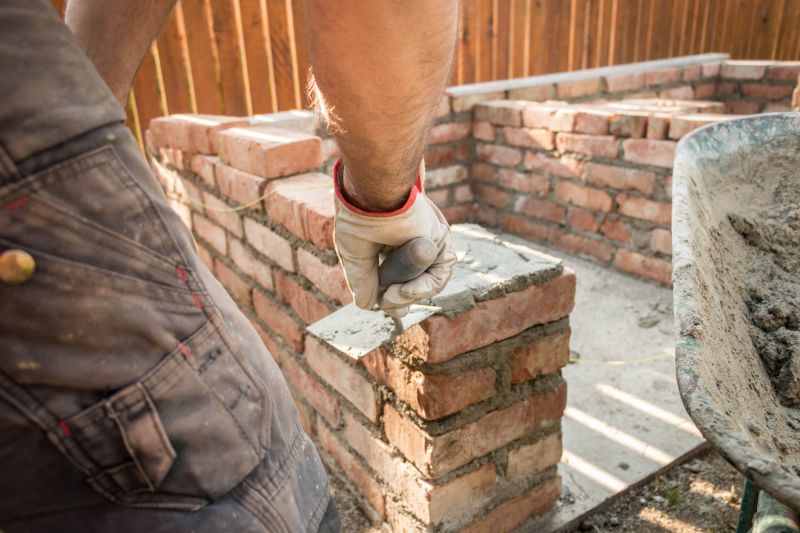
When searching for information on common materials used in masonry installation projects, homeowners typically want to understand the types of materials that make up structures like walls, patios, walkways, and fireplaces. This topic often comes up when planning a new masonry project or considering repairs to existing structures. People are usually trying to learn which materials are durable, suitable for their specific property, and how different options might impact the appearance and longevity of their project. Knowing the common materials helps homeowners make informed decisions about what to specify when working with local masonry installation service providers.
Many property owners associate this topic with addressing specific problems or planning for particular projects. For example, a homeowner might be looking to build a retaining wall that withstands soil pressure or install a decorative patio that enhances curb appeal. Understanding the common materials used in masonry installation projects helps in choosing solutions that meet functional needs-such as strength and weather resistance-while also aligning with aesthetic preferences. It also relates to planning for long-term maintenance, as some materials require more upkeep than others. Connecting with local contractors who have experience working with these materials can ensure the right choices are made for each property’s unique conditions.
The types of properties involved in masonry projects where common materials are discussed usually include residential homes, commercial buildings, and public spaces. For homes, materials like brick, concrete blocks, and stone are often used for foundations, walls, and outdoor features. Commercial properties might incorporate larger-scale masonry with similar materials but designed for higher durability and larger spans. Public spaces such as parks or community centers often feature masonry elements like decorative walls or pavements made from durable stones and concrete. Recognizing the property type helps in understanding which materials are most appropriate and how local pros can tailor their services to meet the specific demands of each project.
Common materials used in masonry installation projects include brick, concrete blocks, natural stone, and manufactured stone veneer. Brick is a traditional choice valued for its aesthetic appeal and durability, often used in walls, facades, and fireplaces. Concrete blocks are favored for their strength and cost-effectiveness, making them suitable for foundations, retaining walls, and structural elements. Natural stone offers a timeless look and high resistance to weathering, often used in decorative features or landscaping. Manufactured stone veneer provides a versatile, lightweight alternative that mimics natural stone, ideal for enhancing the appearance of existing structures. Local masonry installation service providers are experienced in working with these materials, helping property owners select and install the right options for their specific needs.
Fireplace and Chimney Projects - these projects require the use of durable masonry materials like bricks and mortar, making them closely related to masonry installation skills and planning.
Retaining Wall Construction - building retaining walls involves similar knowledge of materials such as concrete blocks and stone, along with planning for structural stability.
Patio and Walkway Installations - installing patios and walkways often utilizes similar materials like pavers and concrete, requiring comparable tools and preparation techniques.
Facade and Exterior Wall Cladding - applying exterior cladding involves masonry materials like stone or brick veneer, aligning with the skills used in masonry installation projects.
Fire Pit and Outdoor Fireplace Builds - these outdoor features depend on masonry materials and techniques similar to those used in masonry installation services.
Brick and Stone Veneer Applications - applying veneer materials on surfaces demands expertise in handling similar materials and planning for aesthetic and structural considerations.
When evaluating local contractors for masonry installation projects, it is important to consider their experience with similar types of work, especially involving common materials such as brick, stone, concrete blocks, or veneer. Homeowners should inquire about the contractor’s past projects to determine if they have successfully handled jobs comparable in scope and material. Clear, written expectations regarding project scope, materials, and finishes can help ensure that both parties are aligned and that the contractor’s expertise aligns with the homeowner’s needs.
Reputable service providers often have references or portfolios that demonstrate their work quality and reliability. Contacting previous clients or reviewing examples of completed projects can provide insight into the contractor’s ability to deliver durable and visually appealing results. Additionally, good communication is essential throughout the process; homeowners should seek out contractors who are transparent, responsive, and willing to answer questions about materials, methods, and project timelines, fostering a productive working relationship.
Ultimately, comparing local pros involves assessing their experience with common masonry materials, ensuring they provide clear expectations, and verifying their reputation through references. A contractor’s ability to communicate effectively and demonstrate expertise with similar projects can contribute significantly to a successful installation. By focusing on these factors, homeowners can make more informed decisions and select service providers capable of meeting their masonry needs efficiently and reliably.
Property owners often search for common materials used in masonry installation projects when they are planning practical projects around their homes and businesses. Local pros provide Masonry Installation services for everyday jobs and straightforward project options.
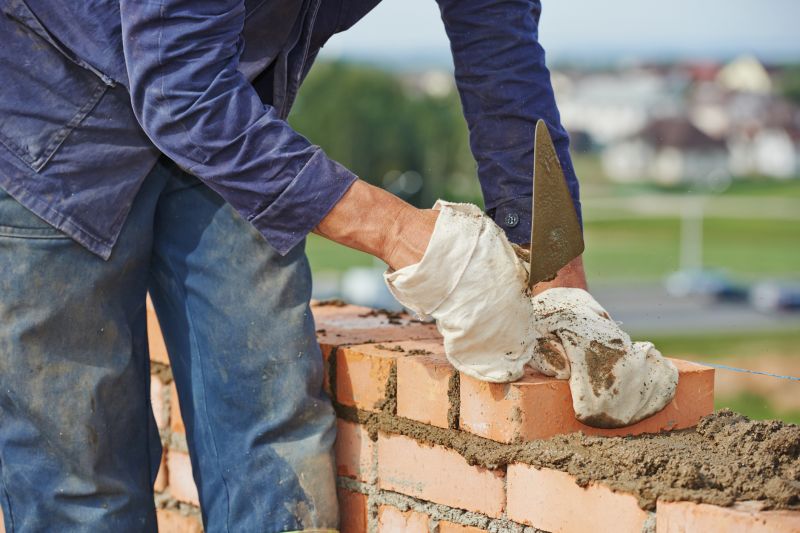
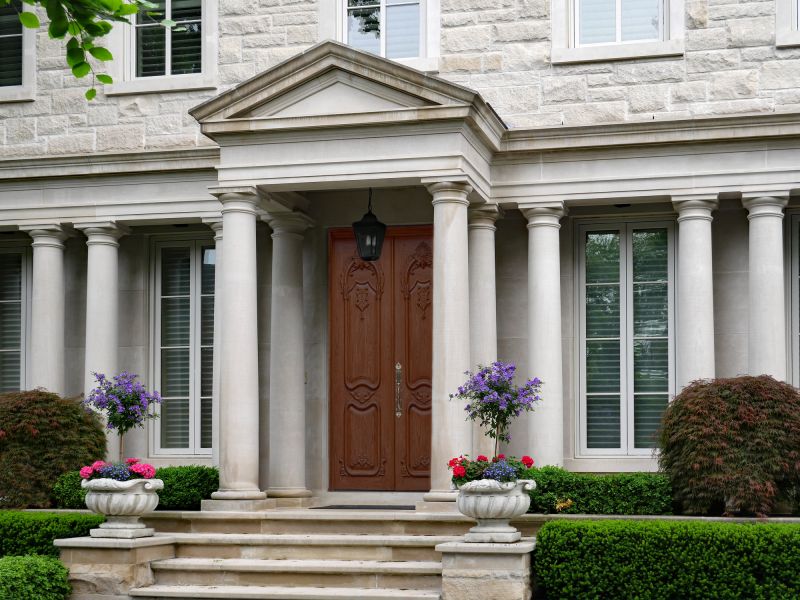
When planning a masonry installation project, property owners often inquire about the common materials used to ensure durability and aesthetic appeal. Materials like brick, concrete blocks, natural stone, and mortar are frequently chosen for their strength and versatility in various applications, from building walls to creating decorative features. Understanding these materials helps property owners make informed decisions and ensures that the final result meets their expectations. Local contractors experienced in masonry work can provide guidance on the best materials for specific projects, considering factors such as climate, design preferences, and structural needs.
Many property owners look into the types of materials used in masonry to better understand the scope of their projects and to verify that the right materials are being used for long-lasting results. Common materials like brick and stone are valued for their classic appearance and resilience, while mortar serves as the essential binding agent. By consulting with local service providers who specialize in masonry installation, property owners can gain insights into the quality and suitability of different materials, ensuring that their projects are completed with the appropriate materials for their unique requirements.
What are the common materials used in masonry installation projects? Typical materials include bricks, concrete blocks, natural stone, and mortar, which are essential for constructing durable and stable masonry structures.
Why is mortar important in masonry projects? Mortar acts as a binding agent that holds masonry units together, providing stability and weather resistance in the finished work.
Can natural stone be used in masonry installation? Yes, natural stone is a popular choice for its aesthetic appeal and durability, and local contractors can source and install it effectively.
Are concrete blocks suitable for all types of masonry projects? Concrete blocks are versatile and commonly used for load-bearing walls, foundations, and retaining walls, with local pros able to recommend appropriate types for specific needs.
What other materials might local contractors use in masonry installation? In addition to bricks and concrete blocks, materials like veneer, pavers, and specialty stones may be used depending on the project requirements.
Brick and concrete blocks - These durable materials are ideal for building walls and outdoor features, with local contractors able to recommend the best options for specific projects.
Mortar mixes - Proper mortar selection ensures strong, long-lasting joints, and local service providers can help choose the right type for different masonry applications.
Natural stone - Using natural stone can add aesthetic appeal to landscaping or feature walls, with local pros offering guidance on sourcing and installation techniques.
Reinforcing materials - Incorporating reinforcement like metal ties or mesh can enhance stability, and local contractors can advise on integrating these materials into masonry projects.
If you are thinking about common materials used in masonry installation projects for a property, this guide is meant to help you understand this topic, the typical project types, and how different options might fit your plans.
When you are ready, you can use the quote form on this page to share a few details about your project. From there, local pros can review the basics and follow up with options that match what you have in mind.